
Veterinary Practice Management

Veterinary Practice Management

Nearly 90% of veterinary practices never reach their full potential because of weaknesses on the business side.
When the business struggles, it creates tremendous stress and friction—both professionally and privately.
The cost is real—but avoidable: declining quality of medical care, lost money, peace of mind, relationships, families, and personal health.

This course teaches you how to install a Growth and Stability Management System—so your practice runs smoothly while you focus on your patients.

After this 2-day, practical management course, you will be able to:

  1. Make better, faster practice decisions relevant to your clinic
  2. Understand practice finances well enough to protect cash flow, margins, and long-term viability
  3. Stabilize your clinic and remove chronic financial and operational stress
  4. Improve performance and growth without losing control or clinical standards
  5. Build a team and routines that reduce dependency on you and prevent constant firefighting
  6. Understand what truly drives the value of your practice, whether you plan to sell or not

Course Materials & Preparation

  • Pre-reading:
    Selected chapters from the course book (provided upon registration).
    The course assumes familiarity with the core concepts introduced in the pre-reading.
  • In-course materials:
    Instructor-led presentations and working materials.
  • Take-home output:
    A personalized 90-Day Operational Plan, developed during the course.
Goran Cvetković

Goran Cvetković

Veterinary Doctor and Businessperson

Goran Cvetković is a veterinary doctor and businessperson with extensive experience working with owner-managed practices and small and medium-sized enterprises (SMEs). He worked clinically in veterinary practices in Serbia and Switzerland before transitioning into research and business management.

His work focuses on practical decision-making, financial stability, organizational routines, and the long-term viability of professional practices. He is known for translating complex financial and organizational topics into clear, clinically relevant frameworks that practitioners can apply directly in daily practice.

He is a researcher, entrepreneur, and author, and is the owner or co-owner of six companies.

DAY 1 – Assess & Stabilize

  1. Decision-Making in Veterinary Practice (40 min)
    Individual exercise (15 min)
    Group exercise and presentation (35 min)
  2. Understanding Practice Finances as Clinical Vital Signs (40 min)
    Individual exercise (15 min)
    Group exercise and presentation (35 min)
  3. Stabilizing the Clinic Before Improving It (40 min)
    Individual exercise (15 min)
    Group exercise and presentation (35 min)
  4. Case Discussion: Diagnosing Practice Stress and Instability (90 min)
    Facilitated case analysis and group discussion

DAY 2 – Improve & Sustain

  1. Improving Practice Performance Without Compromising Care (40 min)
    Individual exercise (15 min)
    Group exercise and presentation (35 min)
  2. Building Team Routines and Reducing Owner Overload (40 min)
    Individual exercise (15 min)
    Group exercise and presentation (35 min)
  3. Long-Term Strength and Value of a Veterinary Practice (40 min)
    Individual exercise (15 min)
    Group exercise and presentation (35 min)
  4. Integration and 90-Day Practice Action Plan (40 min)
    Individual exercise (20 min)
    Presentations (30 min)

The most practical veterinary management course—by design.

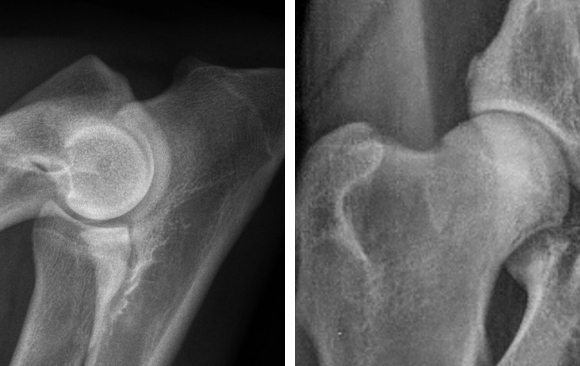
Radiography of Hip and Elbow dysplasia

Radiography of Hip and Elbow dysplasia

This course is approved by GRSK and will cover the following subjects:

  • Introduction to hip dysplasia and elbow dysplasia.
  • Possibilities to reduce dysplasia: how can breeding influence the prevalence of HD and ED.
  • Radiographic technique – practical on how to take a proper radiographs for the assessment of the hip and elbow dysplasia. Quality evaluation of the radiographs for the HD and ED.
  • Explanation of different scoring systems.
  • Film reading session – scoring of the HD ED radiographs.

DAY1

Time Title
09.00 – 10.30 Welcome and Introduction
Introduction to hip dysplasia
Radiographic technique
10.30 – 11.00 Coffee break
11.00 – 13.00 Case discussion – positioning
Positioning – demonstration
13.00 – 14.00 Lunch break
14.00 – 16.00 Official HD scoring
Scoring criteria and grading
FCI, Swiss system
Transitional vertebrae
Spondylosis
16.30 – 17.00 Coffee break
17.00 – 18.30 Film reading session

DAY2

Time Title
09.00 – 10.30 Welcome and Introduction
Introduction to elbow dysplasia
Radiographic technique
10.30 – 11.00 Coffee break
11.00 – 13.00 Case discussion – positioning
Positioning – demonstration
13.00 – 14.00 Lunch break
14.00 – 16.00 Official ED scoring
Scoring criteria and grading
IEWG system
16.30 – 17.00 Coffee break
17.00 – 18.30 Film reading session
Radiography of Hip and Elbow dysplasia

Radiography of Hip and Elbow dysplasia

This course is approved by GRSK and will cover the following subjects:

  • Introduction to hip dysplasia and elbow dysplasia.
  • Possibilities to reduce dysplasia: how can breeding influence the prevalence of HD and ED.
  • Radiographic technique – practical on how to take a proper radiographs for the assessment of the hip and elbow dysplasia. Quality evaluation of the radiographs for the HD and ED.
  • Explanation of different scoring systems.
  • Film reading session – scoring of the HD ED radiographs.

DAY1

Time Title
09.00 – 09.15 Welcome and Introduction
09.15 – 10.30 Introduction to hip dysplasia and elbow dysplasia
Possibilities to reduce dysplasia
How can breeding influence the prevalence of HD and ED
10.30 – 11.00 Coffee break
11.00 – 12.00 How to take a proper radiograph for the HD assessment
12.00 – 13.00 How to take a proper radiograph for the ED assessment
13.15 – 14.30 Lunch break
14.30 – 16.30 Radiographic technique – practical
16.30 – 17.00 Coffee break
17.00 – 18.30 Film reading session on radiographic film quality
DAY2

Time Title
09.00 – 10.30 HD scoring systems / protocols
Radiographic findings and evaluation of HD
Scoring criteria and grading of HD
10.30 – 11.00 Coffee break
11.00 – 12.30 HD film reading individual work and group work
12.30 – 13.30 F.C.I. – Kennel Clubs, Breed Clubs – HD ED control
13.30 – 14.30 Lunch break
14.30 – 16.00 ED scoring system / protocol
Radiographic findings and evaluation of ED
Scoring criteria and grading of ED
16.00 – 16.30 Coffee break
16.30 – 18.00 ED film reading individual work and group work
18.00 – 18.30 Closing remarks
Radiography of Hip and Elbow dysplasia

Radiography of Hip and Elbow dysplasia

This course is approved by GRSK and will cover the following subjects:

  • Introduction to hip dysplasia and elbow dysplasia.
  • Possibilities to reduce dysplasia: how can breeding influence the prevalence of HD and ED.
  • Radiographic technique – practical on how to take a proper radiographs for the assessment of the hip and elbow dysplasia. Quality evaluation of the radiographs for the HD and ED.
  • Explanation of different scoring systems.
  • Film reading session – scoring of the HD ED radiographs.
DAY1

Time Title
09.00 – 09.15 Welcome and Introduction
09.15 – 10.30 Introduction to hip dysplasia and elbow dysplasia
Possibilities to reduce dysplasia
How can breeding influence the prevalence of HD and ED
10.30 – 11.00 Coffee break
11.00 – 12.00 How to take a proper radiograph for the HD assessment
12.00 – 13.00 How to take a proper radiograph for the ED assessment
13.15 – 14.30 Lunch break
14.30 – 16.30 Radiographic technique – practical
16.30 – 17.00 Coffee break
17.00 – 18.30 Film reading session on radiographic film quality
DAY2

Time Title
09.00 – 10.30 HD scoring systems / protocols
Radiographic findings and evaluation of HD
Scoring criteria and grading of HD
10.30 – 11.00 Coffee break
11.00 – 12.30 HD film reading individual work and group work
12.30 – 13.30 F.C.I. – Kennel Clubs, Breed Clubs – HD ED control
13.30 – 14.30 Lunch break
14.30 – 16.00 ED scoring system / protocol
Radiographic findings and evaluation of ED
Scoring criteria and grading of ED
16.00 – 16.30 Coffee break
16.30 – 18.00 ED film reading individual work and group work
18.00 – 18.30 Closing remarks
Radiography of Hip and Elbow dysplasia

Radiography of Hip and Elbow dysplasia

This course is approved by GRSK and will cover the following subjects:

  • Introduction to hip dysplasia and elbow dysplasia.
  • Possibilities to reduce dysplasia: how can breeding influence the prevalence of HD and ED.
  • Radiographic technique – practical on how to take a proper radiographs for the assessment of the hip and elbow dysplasia. Quality evaluation of the radiographs for the HD and ED.
  • Explanation of different scoring systems.
  • Film reading session – scoring of the HD ED radiographs.

DAY1

Time Title
09.00 – 09.15 Welcome and Introduction
09.15 – 10.30 Introduction to hip dysplasia and elbow dysplasia
Possibilities to reduce dysplasia
How can breeding influence the prevalence of HD and ED
10.30 – 11.00 Coffee break
11.00 – 12.00 How to take a proper radiograph for the HD assessment
12.00 – 13.00 How to take a proper radiograph for the ED assessment
13.15 – 14.30 Lunch break
14.30 – 16.30 Radiographic technique – practical
16.30 – 17.00 Coffee break
17.00 – 18.30 Film reading session on radiographic film quality

DAY2

Time Title
09.00 – 10.30 HD scoring systems / protocols
Radiographic findings and evaluation of HD
Scoring criteria and grading of HD
10.30 – 11.00 Coffee break
11.00 – 12.30 HD film reading individual work and group work
12.30 – 13.30 F.C.I. – Kennel Clubs, Breed Clubs – HD ED control
13.30 – 14.30 Lunch break
14.30 – 16.00 ED scoring system / protocol
Radiographic findings and evaluation of ED
Scoring criteria and grading of ED
16.00 – 16.30 Coffee break
16.30 – 18.00 ED film reading individual work and group work
18.00 – 18.30 Closing remarks